 Findcarshipping
Answering Your Most Pressing Questions About Car Shipping Services
By Lena Hartmann / / 4 min read
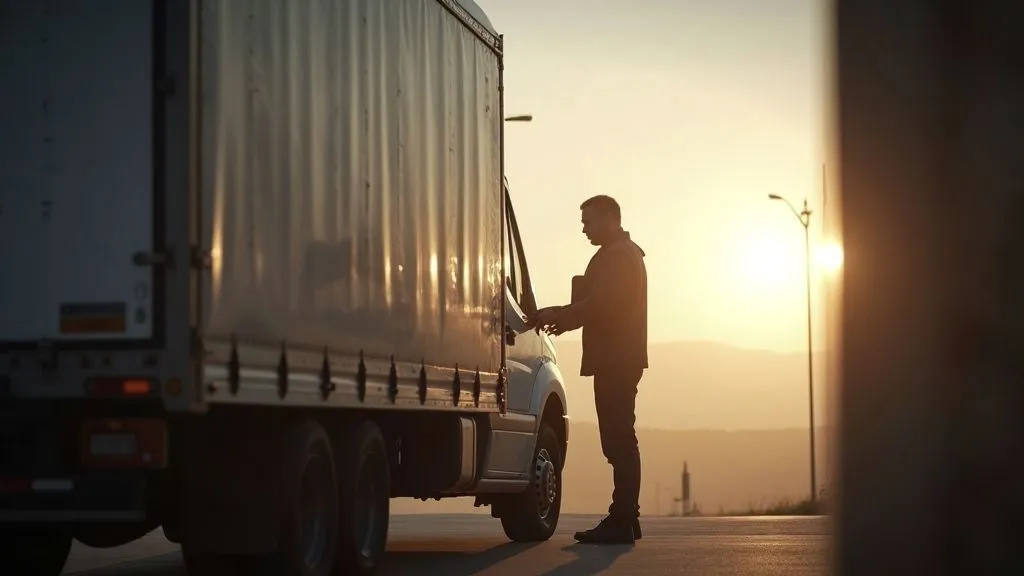
When it comes to transporting your vehicle, questions abound. Whether you’re relocating, buying a car online, or serving in the military, knowing the ins and outs of car shipping can make the process smoother. Below, we address ten frequently asked questions to demystify car shipping and help you navigate the terrain with confidence.
1. How Do I Choose a Reliable Car Shipping Company?
Selecting a trustworthy company is crucial. Start by researching potential carriers. Look for customer reviews and ratings, checking platforms that specialize in transport feedback. A reputable company should be licensed, insured, and have a clear track record of positive customer interactions. Additionally, consider asking for recommendations from friends or family who may have experience with car shipping.
2. What Factors Affect Car Shipping Costs?
Car shipping costs can vary significantly based on several factors. Key considerations include:
- Distance: Longer distances generally incur higher costs.
- Vehicle Size and Weight: Larger, heavier vehicles may cost more to ship.
- Transport Method: Enclosed transport tends to be more expensive than open transport.
- Time of Year: Seasonal fluctuations can impact pricing, with peak seasons often seeing higher rates.
Understanding these factors will help you budget effectively for your car shipping needs.
3. Is My Vehicle Insured During Transit?
Most reputable car shipping companies offer some level of insurance coverage during transit. However, it’s essential to confirm the specifics of the policy with your chosen carrier. Ensure you understand what is covered and any deductibles that may apply. If you’re shipping a high-value vehicle, you might also consider purchasing additional coverage for peace of mind.
4. How Long Does the Car Shipping Process Take?
The duration of car shipping can vary widely based on several factors, including distance, route, and the chosen shipping method. Generally, domestic shipping can take anywhere from a few days to a couple of weeks. For international shipments, the timeline may extend further due to customs clearance and other regulatory requirements. Ask your shipping company for an estimated timeline to better plan for your vehicle's arrival.
5. What Should I Do to Prepare My Vehicle for Shipping?
Preparing your vehicle is crucial for a successful shipping experience. Here are some steps to consider:
- Clean Your Car: This makes it easier to spot any pre-existing damage.
- Remove Personal Items: Take out any valuables, as most carriers will not cover personal belongings.
- Check for Leaks and Mechanical Issues: Address any problems before shipping to avoid complications.
- Document the Condition: Take detailed photos of your vehicle before it leaves for shipping.
Following these steps can help facilitate a smoother transit.
6. What Types of Transport Options Are Available?
There are primarily two transport options you can choose from: open transport and enclosed transport.
Open Transport
This is the most common and cost-effective method. Vehicles are loaded onto an open trailer, exposed to the elements during transit. While it’s generally safe, there's a higher risk for weather-related damage.
Enclosed Transport
Enclosed transport provides additional protection for your vehicle, as it’s housed within a trailer. This option is typically recommended for high-end, vintage, or classic cars. Though more expensive, the added security can be worth the investment.
7. Can I Ship My Car Without Being Present?
Yes, you can ship your car without being present, but it requires careful planning. Most companies allow you to designate someone to act on your behalf. This person will need to sign necessary documents and hand over the keys. Ensure that you trust this individual and communicate clearly about the process ahead of time.
8. Are There Restrictions on What I Can Ship with My Car?
Yes, there are generally restrictions on what can be shipped with your vehicle. Most carriers prohibit personal belongings and hazardous materials. Some companies may allow minimal items, such as spare tires or emergency kits, but confirm with your carrier ahead of time. Failing to abide by these restrictions can lead to additional fees or issues during transit.
9. What Happens if My Car is Damaged During Shipping?
In the event your vehicle sustains damage during shipping, it’s crucial to follow the correct steps. First, document the damage with photographs as soon as your car arrives. Next, report the damage to your carrier immediately and file a claim based on the insurance coverage outlined in your contract. The claims process can vary by company, so be sure to familiarize yourself with their protocol.
10. How Can I Track My Vehicle During Transit?
Most reliable auto transport companies offer tracking services that allow you to monitor your vehicle’s journey. You may receive updates via phone, email, or through a dedicated tracking portal on the company's website. It’s worth inquiring about tracking options when you book your shipment to ensure you stay informed throughout the process.
Conclusion
Navigating the car shipping landscape doesn’t have to be daunting. With the right knowledge and preparation, you can ensure a seamless experience, whether you’re relocating, buying a vehicle, or deploying for military service. By considering the factors outlined in this article, you can confidently choose the best shipping option for your needs and rest assured that your vehicle is in good hands.